

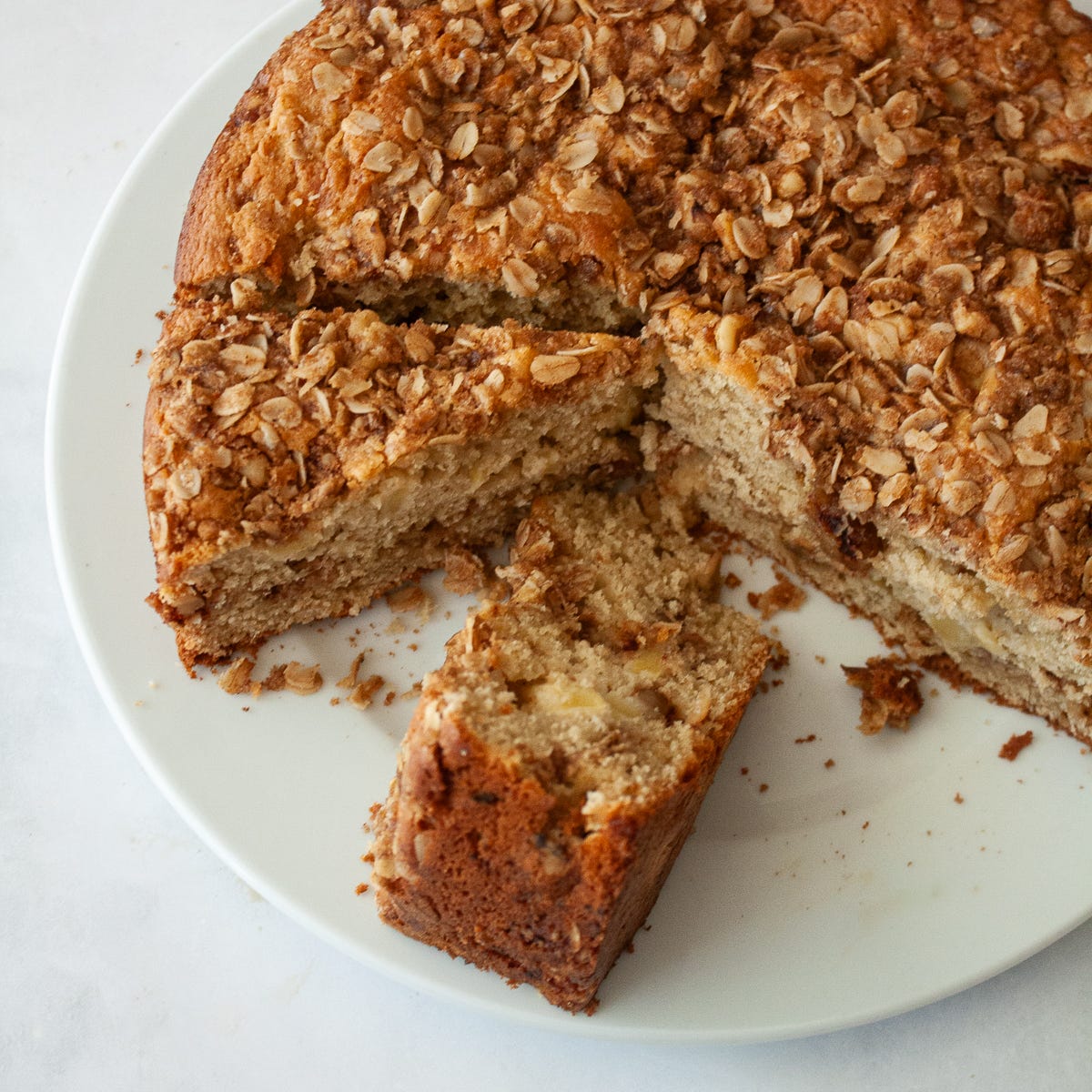
I’m starting a series on gluten-free flours, beginning with one of my very favorites: oat flour.
My love for oat flour is well-documented; chances are, if you’ve made one of my gluten-free recipes, it calls for oat flour! It’s such a fantastic gluten-free flour because it’s a whole grain, easy to find, relatively inexpensive, and incredibly versatile. It also happens to make some really delicious things.
Before I go on though, I want to stop and acknowledge this: I know that if you have celiac and are allergic or sensitive to avenin, the protein in oats, oat flour isn’t an option for you. I am planning to explore all the other great, whole grain gluten free flours as I continue this series, so I hope you will continue to follow along! Brown rice flour is always my go-to substitute for oat flour, so keep that in mind, too, if you want to make some of the recipes linked here.
So, why oat flour? First of all, it bakes up beautifully fluffy. It’s a whole grain flour, and I’m always trying to add more whole grains to my bakes. It’s also fairly neutral in flavor so it doesn’t impact a cake in the way buckwheat or teff, more assertive gluten-free flours, might. It’s also a fairly economical flour, and you can even make it yourself.
Oat flour has a few things going for it beyond simply being gluten-free. Because it’s made from whole oats, it retains the bran and germ, so you’re getting more fiber and nutrients than you would from a refined flour. Oats are also a good source of soluble fiber, including beta-glucan, which is one reason they’re often associated with heart health.
But truly, what I love most is what oat flour does in a recipe. It gives baked goods a tender, soft crumb without making them heavy or gritty, and it has a mild, slightly sweet flavor that works beautifully in everything from muffins and quick breads to cookies and cakes.
And, if done right, it can even be interchangeable with all-purpose flour. This is a bold claim, I know, but I do truly believe this - with one important caveat: you must bake by weight.
Always make sure to buy certified gluten free oat flour. I like Anthony’s brand which is reliable and affordable but Bob’s Red Mill and others are also great. You can make your own oat flour, but as always, make sure that the oats you use are certified gluten free. All oats are naturally gluten free, but they can be processed in facilities where wheat is also processed. Note that if you are celiac or particularly sensitive to cross-contact, certified gluten free oats and oat flour are the way to go.
Oat Flour Baking Best Practices
Weigh the flour. We discussed this last week in my thoughts on gluten free baking newsletter, but it bears repeating. One cup of oat flour, as per the Anthony’s package, weighs 120 grams. If you are attempting to substitute for all purpose flour, choose a recipe that lists the flour in grams (did you know that a cup of flour can vary from 120-140 grams depending on who is writing the recipe?), then weigh the oat flour out for accuracy. And really, you should weigh it out regardless of the flour called for in a recipe!
Hydrate the batter. Oat flour loves a rest before baking so that the flour can hydrate and soak up the liquid in the batter. This is important because the final crumb will be much fluffier and smoother. You batter will thicken up quite a lot though; this is normal and you don’t need to add any more liquid!
For cookies, I like to make the dough the night before I plan to bake (and actually you can store it for up to 3 days). Cookie dough always benefits from a “seasoning” time in the fridge. The longer it chills, the more the flavors will develop.
For cakes, muffins, quick breads, and etc., I usually give the batter about 15–30 minutes to rest before baking. You’ll see me mention this in many of my recipes.
It likes almond flour. My favorite pairing for oat flour is almond flour. The two flours balance each other beautifully: oat flour brings whole-grain goodness and a soft, fluffy crumb, while almond flour adds richness and moisture. Over the years, I’ve tested and perfected different oat-to-almond flour ratios, so I have a pretty good sense of what works in which kind of bake. This is one of my favorite gluten-free flour combinations for a reason! (Check out my oat and almond flour waffles recipe :) )
You can use it on its own in many bakes. Now, I wouldn’t say always, but often. I have developed a lot of recipes that call for just oat flour (my oat flour pumpkin bread, oat flour banana bread, oat flour banana muffins, oat flour chocolate cake and cupcakes are just a few examples).
And as you know, in the world of gluten-free baking, having an easy 1:1 flour is so helpful. Indeed, that’s why there are so many cup-for-cup blends on the market! However, I prefer not to bake with gums, and when I’m not using my homemade blend, I love grabbing the bag of oat flour and using it on its own.
Don’t be afraid to mix. This is one of the ways in which gluten-free baking differs from baking with wheat flour: you don’t have to worry about developing gluten when you stir an oat-flour batter. You still don't want to beat the life out of a cake batter, of course, but you can mix until everything is thoroughly incorporated without worrying about creating the tougher crumb you might get from over mixing a wheat-based cake.
Store it well. Whether you buy oat flour or make your own, keep it in an airtight container, either in the back of the pantry or in the fridge. Because oat flour contains whole grain, it can go rancid more quickly than refined white flour. I store it in the pantry because I use it often. The fridge or freezer is a good option if you know you won’t use it up quickly.
If you love oat flour as much as I do, let me know! I hope this was helpful, and I look forward to exploring more gluten-free flours in the weeks to come.
More Oat Flour Resources from Me
On the blog this week
Applesauce muffins - Easy, tender, wholesome, all the good things! Made with our favorite oat flour or substitute whole wheat flour if you don’t need to bake them gluten-free.
Pear sauce - I’ve been making pear sauce since my girls were toddlers, and it remains a classic. My simple stovetop method makes great use of seasonal pears, though of course you can enjoy it year round!
Almond flour chocolate cake - Ooooh, I love this one. Just almond flour is needed, no butter or oil, and a handful of chocolate chips make this a rich and super satisfying dessert.
Also, pumpkin season is (finally) here!
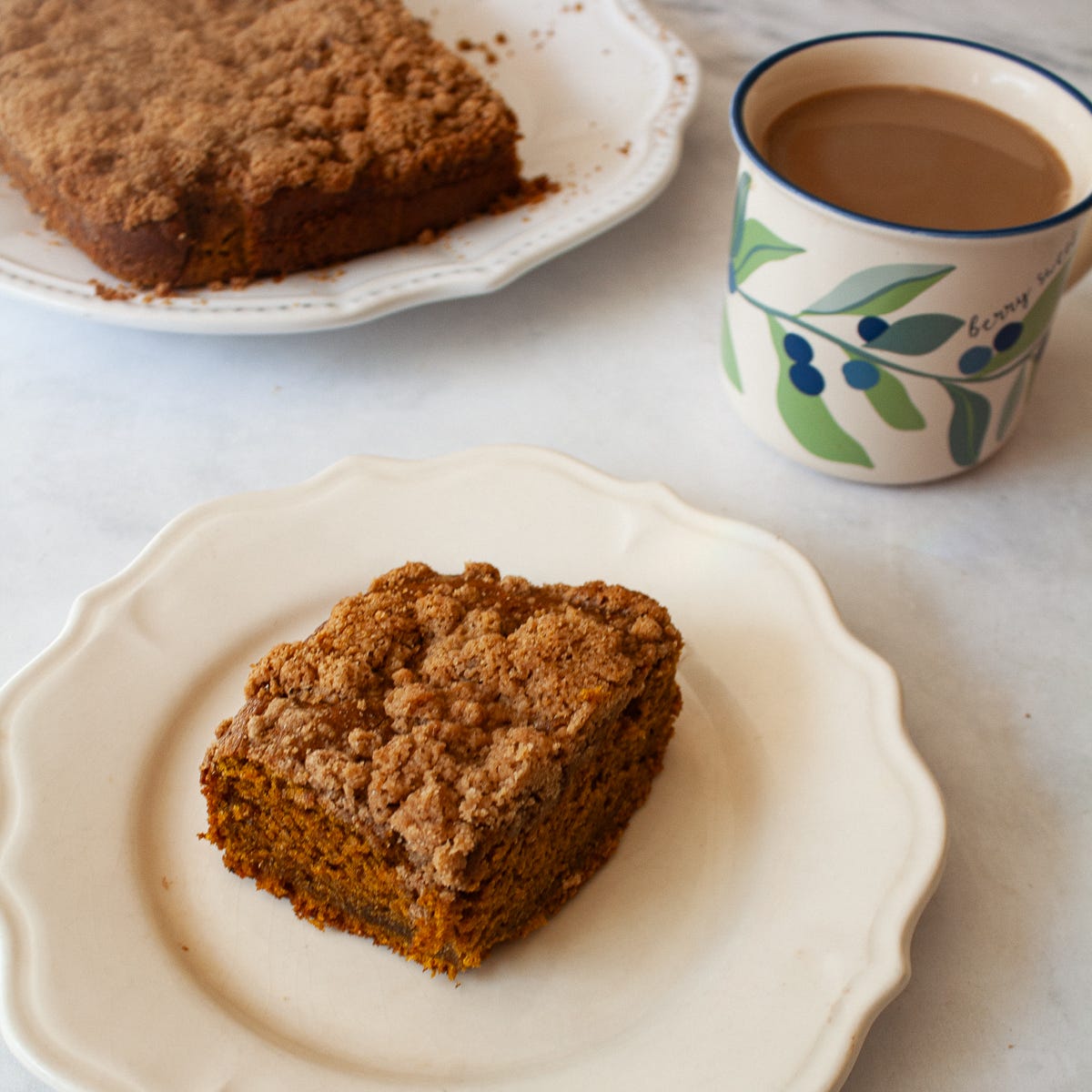
I gave my gluten free pumpkin coffee cake post a little refresh this week. This is a fan favorite that’s so perfect for right now! I added some new photos and a few updated notes but it remains the same tender, warmly spiced coffee cake with that buttery cinnamon crumb on top that we all love. I celebrated October 1 by baking this sweet cake. Hope you enjoy!